

Blog
Beyond Pain Relief: How Better Mobility Improves Your Everyday Life
When Pain Fades, What Do You Get Back? A Look at Life Beyond Relief for Glendale Patients
Ask most people why they finally decided to address a nagging shoulder, stubborn knee, or chronic back pain, and the answer is simple: they just wanted it to stop hurting. But pain relief is rarely the whole story. What patients notice weeks later often has less to do with pain scores and more to do with everyday life quietly getting better. Sleep improves. Energy returns. Old hobbies feel possible again. That ripple effect is exactly what the team at Health Edge Sports & Spine in the La Crescenta and Glendale area sees regularly, and it is a big part of why Dr. Armen Manoucherian incorporates SoftWave Therapy into his approach to pain and mobility.
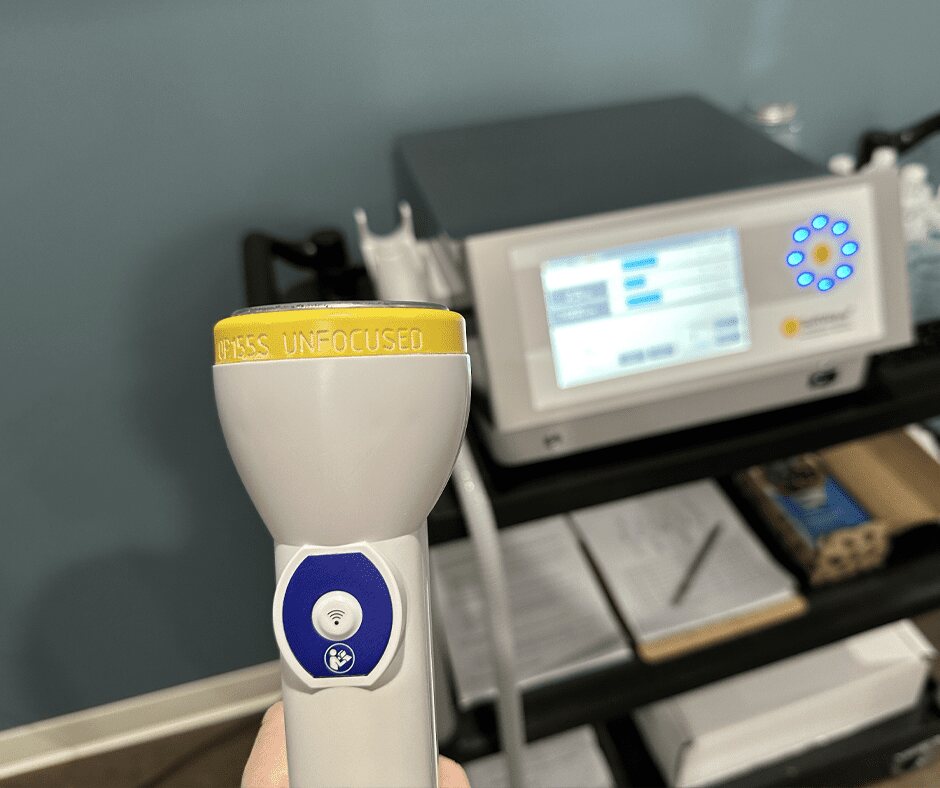
SoftWave TRT is a non-invasive shockwave therapy designed to support the body's own healing response in soft tissue, joints, and connective tissue. While it is often introduced as a pain management option, the real value tends to show up in the background of daily life: the walk that no longer gets cut short, the full night of sleep that used to be interrupted, the ability to get down on the floor and back up again without wincing. This article looks past the pain itself to those downstream gains, and how Dr. Armen and the team help Glendale area patients reclaim the parts of life that pain had quietly taken away.
Pain Does More Damage Than It Gets Credit For
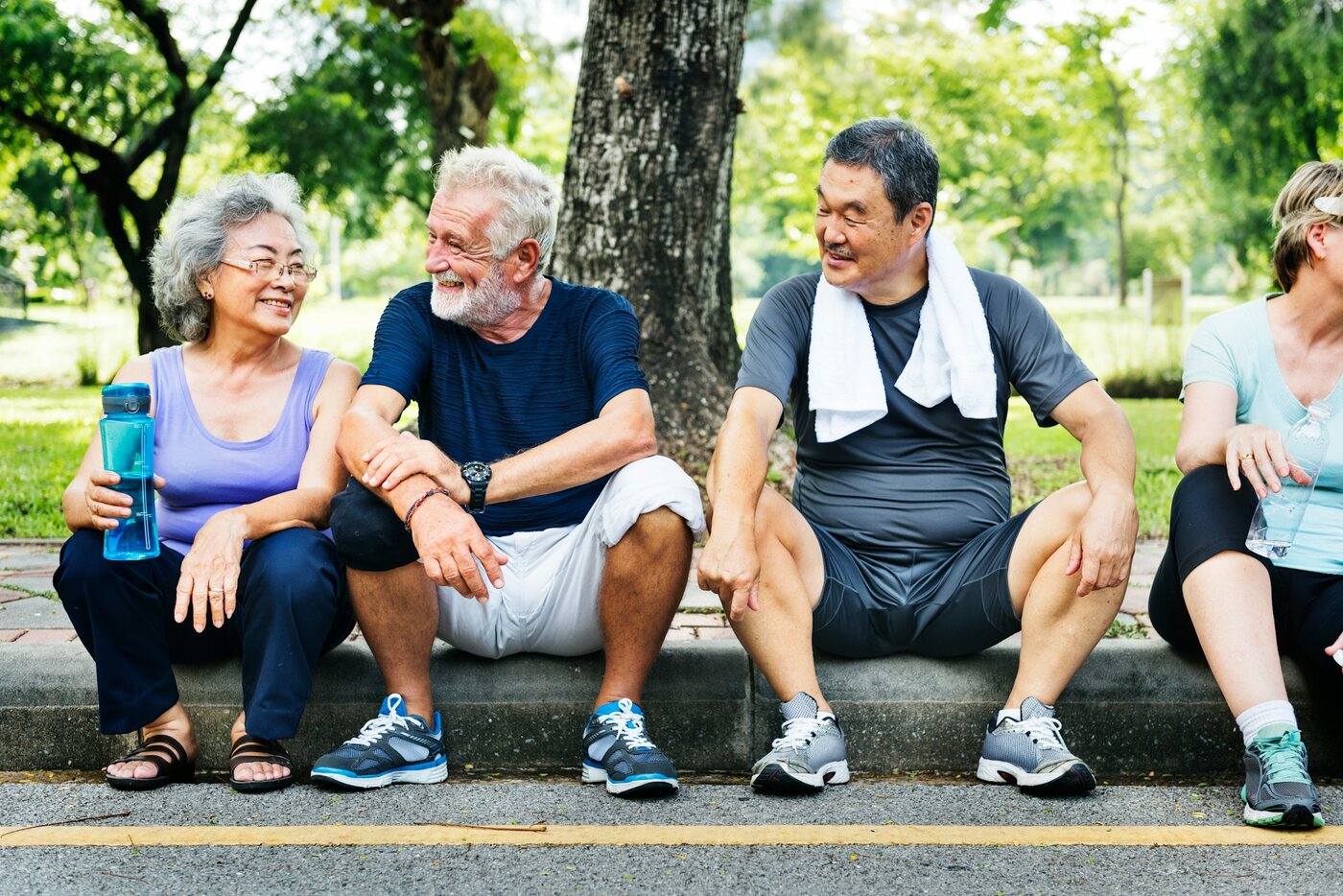
Chronic pain rarely stays confined to the joint or muscle where it started. It changes how people move, sleep, exercise, and interact with those around them. A stiff hip can mean skipping the evening walk. A sore shoulder can mean avoiding play with a grandchild. Over time, these small avoidances add up to a smaller, more cautious life, even if the original condition never gets objectively worse. This is why mobility matters so much beyond the pain itself: restoring the ability to move without hesitation tends to restore the life that was built around avoiding discomfort.
Sleep Is Often the First Thing to Improve
Many patients do not realize how much pain has been disrupting their sleep until it eases. Tossing and turning to find a comfortable position, waking up stiff, or being unable to fall back asleep after shifting are common with joint and muscle pain. As mobility improves, many patients report falling asleep more easily and waking up feeling more rested, which in turn supports mood, focus, and energy.
More Activity and Exercise Become Realistic Again
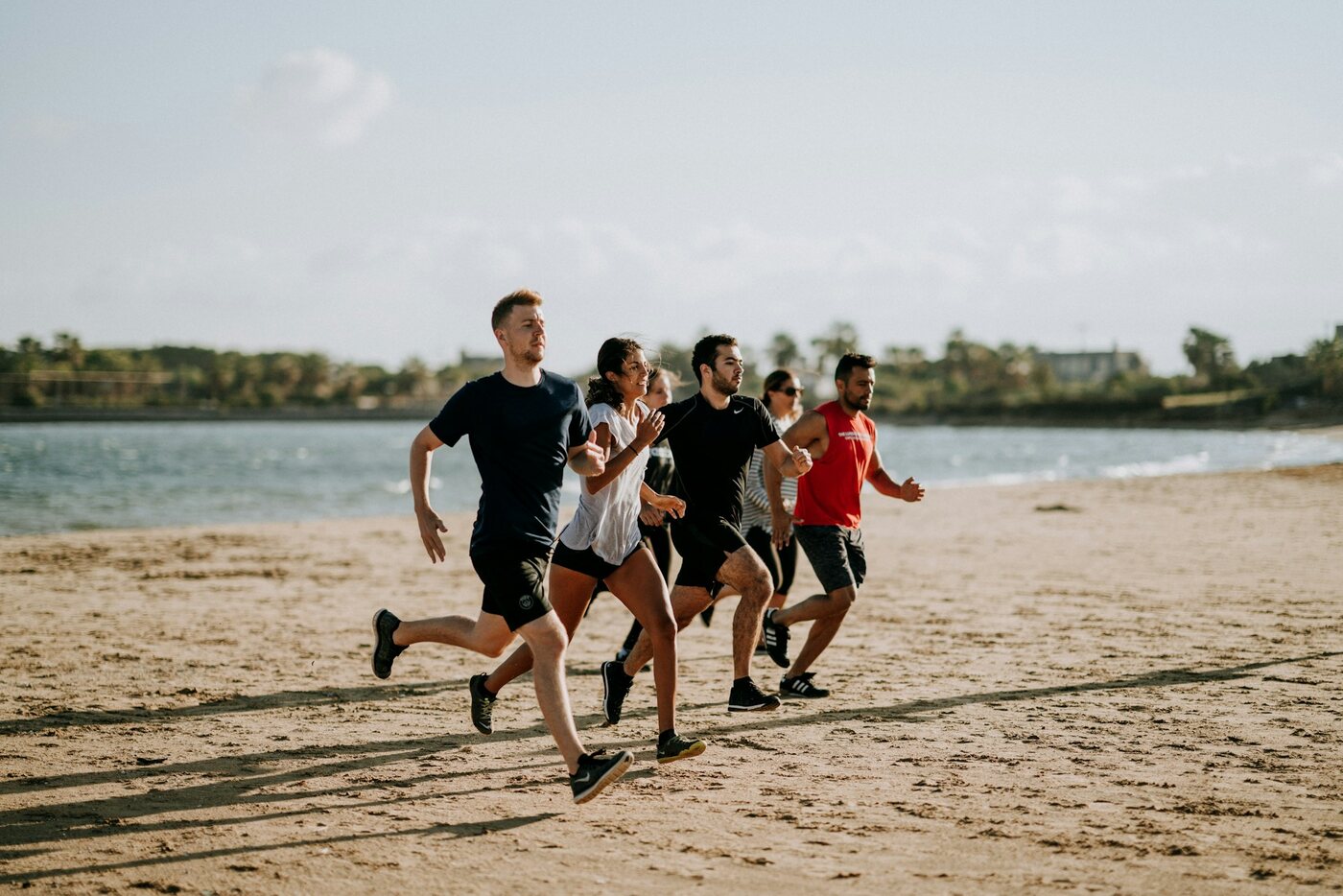
When movement hurts, the natural response is to move less. Unfortunately, less activity often leads to more stiffness and deconditioning, which can make pain worse over time. Breaking that cycle is one of the most meaningful outcomes of improved mobility. Patients who once avoided the gym, hiking trails around Glendale, or a regular walking routine often find they can return to activity gradually once pain and stiffness are addressed.
Mood and Mental Outlook Tend to Follow the Body
Chronic pain and limited mobility are closely tied to frustration, low mood, and a sense of losing control over one's own life. It is not surprising, then, that many patients describe feeling more like themselves once their pain and mobility improve. This is less a medical claim than a common human experience: moving more freely tends to lift outlook and overall well-being.
Independence at Home and Being Present for Family
Simple daily tasks such as climbing stairs, carrying groceries, or getting in and out of a car can become quietly exhausting when pain and stiffness set in, and regaining mobility often means regaining independence in these small, constant parts of daily life. The most rewarding gains, though, tend to be tied to relationships: getting down on the floor to play with a child, keeping up on a family hike, or not dreading a grandchild's request to be picked up. Many patients say the biggest difference is not how they feel physically but how much more available they are for the people they love.
Work and Hobbies Regain Their Place
Whether it is standing through a full workday, kneeling in the garden, or returning to golf, tennis, or another favorite activity, physical limitations often force people to scale back the things that make life feel full. As pain and mobility issues are addressed, many patients find they can re-engage with the work tasks and hobbies they had set aside.
If any of this sounds familiar, whether it is a sore shoulder keeping you off the tennis court or a stiff back making it hard to get down on the floor with your grandkids, you can request a SoftWave Therapy visit with Dr. Armen's team online to find out if it is right for you.
How SoftWave Helps Support These Everyday Gains
SoftWave TRT is designed to work with the body's own healing processes rather than mask discomfort. Dr. Armen Manoucherian uses a device that generates broad-focused acoustic waves through an electrohydraulic, spark-gap process paired with a patented parabolic reflector, different from radial, electromagnetic, or piezoelectric devices, which tend to be shallower or limited to a single point. This pattern is designed to reach deeper into affected tissue to help stimulate the body's own repair mechanisms.
In plain language, the mechanisms believed to support this process include:
- Activation and migration of the body's resident stem cells to the area being treated
- Angiogenesis, or the formation of new blood vessels, to help improve local blood flow
- Increased cell proliferation and collagen production to support tissue repair
- Modulation of inflammation in the treated area
SoftWave TRT is FDA cleared for activation of connective tissue, temporary increase of local blood flow, temporary relief of minor muscle and joint pain, treatment of chronic diabetic foot ulcers, and treatment of acute second-degree burns. It has been studied at leading institutions and is used by clinicians who work with professional and collegiate athletes.
What to Expect During Treatment
One of the appeals of SoftWave TRT for busy patients in the Glendale area is how little it disrupts daily life. Sessions are non-invasive, requiring no needles, drugs, surgery, or downtime, and typically last only about 10 to 15 minutes. Most treatment plans involve a series of sessions over roughly 6 to 8 weeks, and many patients notice healing continues for weeks or months after the final session, since the therapy supports the body's ongoing repair process rather than delivering an instant fix.
As with any medical treatment, results vary by individual, and SoftWave TRT is not a guaranteed cure or a replacement for a full medical evaluation. Dr. Armen and the team assess each patient individually to determine whether it is an appropriate part of a broader care plan for someone who has been living around a nagging injury for months or years.
Why This Matters More Than the Pain Score Alone
It is easy to measure pain on a scale of one to ten, but much harder to measure what a full night of sleep or an afternoon on the floor with a grandchild is worth. These are the outcomes that matter most to patients, even if they are harder to quantify. For Dr. Armen Manoucherian and the Health Edge Sports & Spine team, supporting these everyday gains, not just chasing a lower pain number, is the real goal behind incorporating SoftWave TRT into patient care for Glendale and La Crescenta patients.
Ready to Take the Next Step?
If pain has been quietly shrinking your daily life, restoring mobility may open the door to better sleep, more activity, and more time fully present with the people you care about. Reach out to learn whether SoftWave Therapy is a good fit for your goals.
Request your SoftWave Therapy new patient visit online today
Contact Health Edge Sports & Spine
Health Edge Sports & Spine
2600 Foothill Blvd, Suite 203
La Crescenta, CA 91214
Phone: (818) 724-4352
Our Main Office Website: https://healthedgela.com/
‹ Back